
"semi-wild coffee"
80 article(s) found

Ethiopian Coffee | Kafa Forest Coffee | semi-wild washed coffee beans
Professional coffee knowledge exchange more coffee bean information please follow Coffee Workshop (Wechat official account cafe_style) ■ country: Ethiopia ■ Manor: Baraka Cooperative ■ production area: Kafa Forest ■ varieties: Ethiopian Native species ■ treatment method: washing ■ Harvest time: 2016 arrival Cup Test report: this is a very special coffee, it is difficult for us to know

Introduction to the characteristics of Ethiopian Coffee semi-Wild washed Coffee Bean Kafa Forest Coffee
Professional coffee knowledge exchange more coffee bean information please follow Coffee Workshop (Wechat official account cafe_style) ■ country: Ethiopia ■ Manor: Baraka Cooperative ■ producing area: Kafa Forest ■ Variety: Ethiopian Native species ■ treatment: washing ■ Harvest time: 2016 arrival Cup Test report: this is a very special coffee, it is difficult to know him.

Coffee mellow Tour (5) Harald, Ethiopia
What do you think of Ethiopia? The prairie, the plateau, the Rift Valley and, of course, coffee that can't be missed. This is the birthplace of coffee, and this alone can be exciting. What's more, Ethiopian coffee is a highly respected boutique coffee. Coffee in Ethiopia is mostly grown on small farms or semi-wild and wild, and is produced by organic farmers.
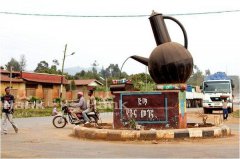
Yega Sheffield Coffee Taste describes the planting situation in Yejashefi Coffee Coffee producing area
For professional baristas, please follow the coffee workshop (Wechat official account cafe_style). The Ethiopian cultivation system is the most diverse. Forest coffee (Forest coffee) refers to wild coffee trees in primeval forests. Protected by the government, there are special personnel to harvest. The total output is only 510%. two。 Semi-forest coffee (Semi-forest coffee) refers to semi-wild coffee, which is regularly pruned by farmers.
Detailed introduction of the method of Variety treatment in African and Ethiopian Coffee producing areas
Ethiopia, also known as Ethiopia, is a landlocked country located in the Horn of Africa and the most populous landlocked country in the world. Ethiopia is revered as the birthplace of coffee-Arabica (Arabica), with rich native varieties and a wide range of genetic sequences, many of which can not be found in other countries. Most of Ethiopia's coffee is made of

Is Rabirika a boutique coffee? why has it not been promoted in the wild?
The most common varieties in the coffee industry are Arabica and Robusta, but there is also Laiberia coffee that is often forgotten by the public, and this variety is often recognized by the boutique coffee industry as "bitter, metallic and woody" coffee, making it even less valued. Recently, a team of several Malaysian and German professionals questioned this claim, believing that it was appropriate
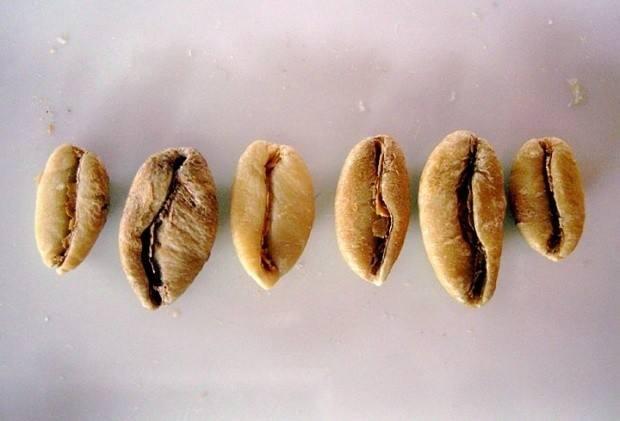
The third forgotten breed: boutique Rabia Coffee? Liberica, is the coffee good?
Professional coffee knowledge exchange more coffee bean information please follow the coffee workshop (Wechat official account cafe_style) the most common varieties in the coffee industry are Arabica and Robsta, but there is also coffee from Liberia (C. liberica), which is often forgotten by the public, and this variety is often recognized by the boutique coffee industry as "bitter, metallic and woody" coffee, so that it is not to be

How is the Malaysian sun Librika? what's the difference between Rabirica and Arabica?
The forgotten variety (Rabrika), Librika is a coffee variety with less than 1% production in the world. When the focus of the boutique coffee industry is on Arabica coffee, few people have seriously explored the potential of Libby Rika coffee, but this variety has been cultivated in Malaysia for more than a century. The local cafe offers affordable Libby Rika coffee, which producers have in recent years.

What kind of coffee is Arabica native species? Ethiopian native species Heirloom
Professional coffee knowledge exchange more coffee bean information please follow the coffee workshop (Wechat official account cafe_style) Ethiopian native species Heirloom Arabica coffee originated in East Africa Ethiopia, there are still hundreds or thousands of wild coffee in Ethiopia, even growing in the primeval forest all the year round.

Ethiopia Yega Sheffield Aga Luo Bivtu Valley Dina Cooperative Water washing Yega Xuefei Biff
For more information on professional coffee knowledge exchange, please refer to the coffee workshop (Wechat official account cafe_style) Ethiopia Yirgacheffe Agaro Biftu Gudina Washed G1 Ethiopia Yegashefi Agarobitu Valley Dina Cooperative washing area | Yega Xuefei altitude | 1750-2100m species | Ethiopian Native species treatment | Water

What's the taste of an authentic wild Zhengshan race? How much is the Zhengshan race 500 grams in Tongmu pass?
Origin: Wuyishan season, Fujian Province, China: spring tea harvest date: April 28, 2021 dry leaves: leaves are thick, strong, tightly rolled into strips of aroma: the aroma of longan pleasant tea color: bright and clear red-orange flavor: rich honey and caramel flavor, smooth and rich taste, sweet potato tea varieties: wild camellia tea garden: tung wood

Description of the Flavor of Ethiopian Cochel Coffee Sun washing
Ethiopia-this is the oldest birthplace of coffee, the cradle of Arabica, the Great Rift Valley of East Africa runs through the north, although it is located in the tropics, but at a higher altitude and cooler climate than African countries, the Cafa primeval forest (Kaffa Forest) in southwestern Ethiopia is still the gene pool of Arabica (Arabica). The coffee taste spectrum produced by Ethiopia has a great amplitude, almost containing

A brief introduction to the flavor characteristics of water-washed Yejiaxuefei
Professional coffee knowledge exchange more coffee bean information please follow the coffee workshop (Wechat official account cafe_style) the front street of the coffee workshop Yega Xuefei Agaroftu Valley Dina Cooperative washing introduction Yega Xuefei is actually a small town, is an area of Sidamo Province in Ethiopia, because of its unique flavor and reputation, almost become Ethiopia's boutique coffee

What is Arabica mother coffee? Introduction to Arabica Coffee varieties
Professional coffee knowledge exchange more coffee bean information Please pay attention to the coffee workshop (Wechat official account cafe_style) Coffee can be divided into three main varieties, namely, Arabica (Coffea arabica), Robusta Coffea canephora (Robusta) and Coffea liberica. Arabica is the main force of boutique coffee, suitable for growing at higher altitude

What does Yega Xuefei G1 mean? introduction to the planting history and altitude of Yega Xuefei Coffee producing area
For the exchange of professional baristas, please pay attention to the coffee workshop (Wechat official account cafe_style) Yega Xuefei G1 Yirgacheffe G1 unique flavor stands out with its unique flavor in Ethiopia, which has many native species, it can be said to be the best in Ethiopian coffee, with sweet and sour fruit, the most representative is its citrus citric acid and

The Italian organic agronomist's trip to Hainan Mountain Coffee made him marvel at the charm of siphon coffee.
Rompuy tasted the waterfall coffee in Qiongzhong. Luo Pei inspected Yangshan Wetland in Haikou. In 2014, Ms. Gao Gao, founder of Squirrel School, a natural education institution in Haikou, went to Europe to study organic agriculture and got to know Mr. LorenzoPeris (Chinese name Lopei), an Italian organic agriculture expert. In early January this year, Mr. Lopei went to Shanghai to participate in organic agriculture.

Detailed Analysis of four cultivation Systems of Coffee in Ethiopia
Forest coffee (Forest Coffee): wild coffee, which accounts for 10% of Ethiopia's national output, is distributed in the wild coffee forest areas of the west and southwest, also known as the Kafa forest. The dense trees here provide the most natural shade for coffee trees and do not need manual care. Mother Earth is in charge of birth, aging, sickness and death, and coffee farmers can go directly to the woodland to harvest. Hansen
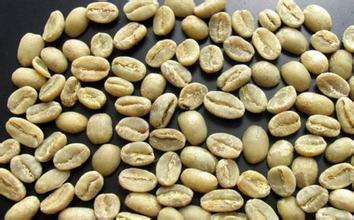
Detailed Analysis of four cultivation Systems in Coffee producing areas of Ethiopia
Forest coffee (Forest Coffee): wild coffee, which accounts for 10% of Ethiopia's national output, is distributed in the wild coffee forest areas of the west and southwest, also known as the Kafa forest. The dense trees here provide the most natural shade for coffee trees and do not need manual care. Mother Earth is in charge of birth, aging, sickness and death, and coffee farmers can go directly to the woodland to harvest. Hansen

Four major cultivation systems of Ethiopian coffee analyze in detail how Ethiopian coffee is cultivated.
Forest coffee (Forest Coffee): wild coffee, which accounts for 10% of Ethiopia's national output, is distributed in the wild coffee forest areas of the west and southwest, also known as the Kafa forest. The dense trees here provide the most natural shade for coffee trees and do not need manual care. Mother Earth is in charge of birth, aging, sickness and death, and coffee farmers can go directly to the woodland to harvest. Hansen